Demineralization ( DM ) Water Treatment Plants
In sectors where water purity is key, demineralization (DM) plants have been evolve to remove soluble minerals and salts from water. Aquamech Engineering Corporation has extensive knowledge about water treatment solutions. The corporation has designed a range of demineralization plants that can offer a solution to the challenging requirements of numerous industries.
What is a demineralization plant?
Demineralization or deionization is a process of water purification which removes mineral salts through the process of ion exchange, demineralization is an important procedure that produces water with low conductivity and highly purified water, so it's important for a variety of applications in power generation, pharmaceuticals, electronics, and so much more.
Aquamech's DM plants use a two-phase ion exchange process:
- Cation exchange: The feed water is passed through a cation resin that is a strong acid, it exchanges the positively charged ions which are calcium, magnesium, sodium, etc, with hydrogen ions.
- Anion exchange: Once the cation exchange has taken place, the product is passed through an anion resin to exchange the negatively charged ions (i.e., chloride, sulfate, nitrate, etc.) with hydroxide ions.
- The hydrogen and hydroxide ions are mixed to create pure water, with no dissolved salts in it.
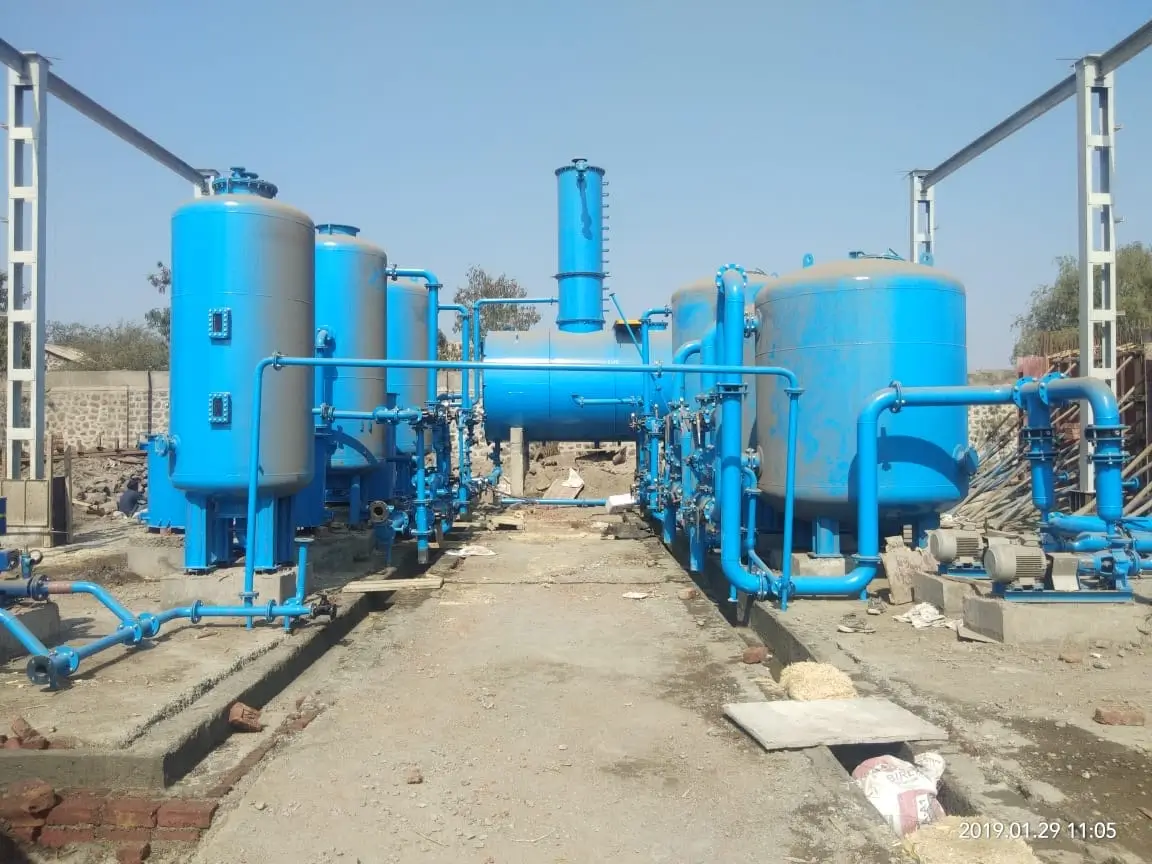
Aquamech's Demineralization Plant Characteristics
Aquamech's DM plants are engineered with accuracy and efficiency in the design, substantial:
- Simple Operation: Controls and automation are designed for simplicity of scheduled use.
- Low Power Requirement: Energy-efficientering components reduce ongoing costs.
- Robust Construction: Components are manufactured from quality materials, are long-lasting, and require minimal maintenance.
- High Purity Water: Consistently achieves output water conductivity to 15 micro siemens/cm.
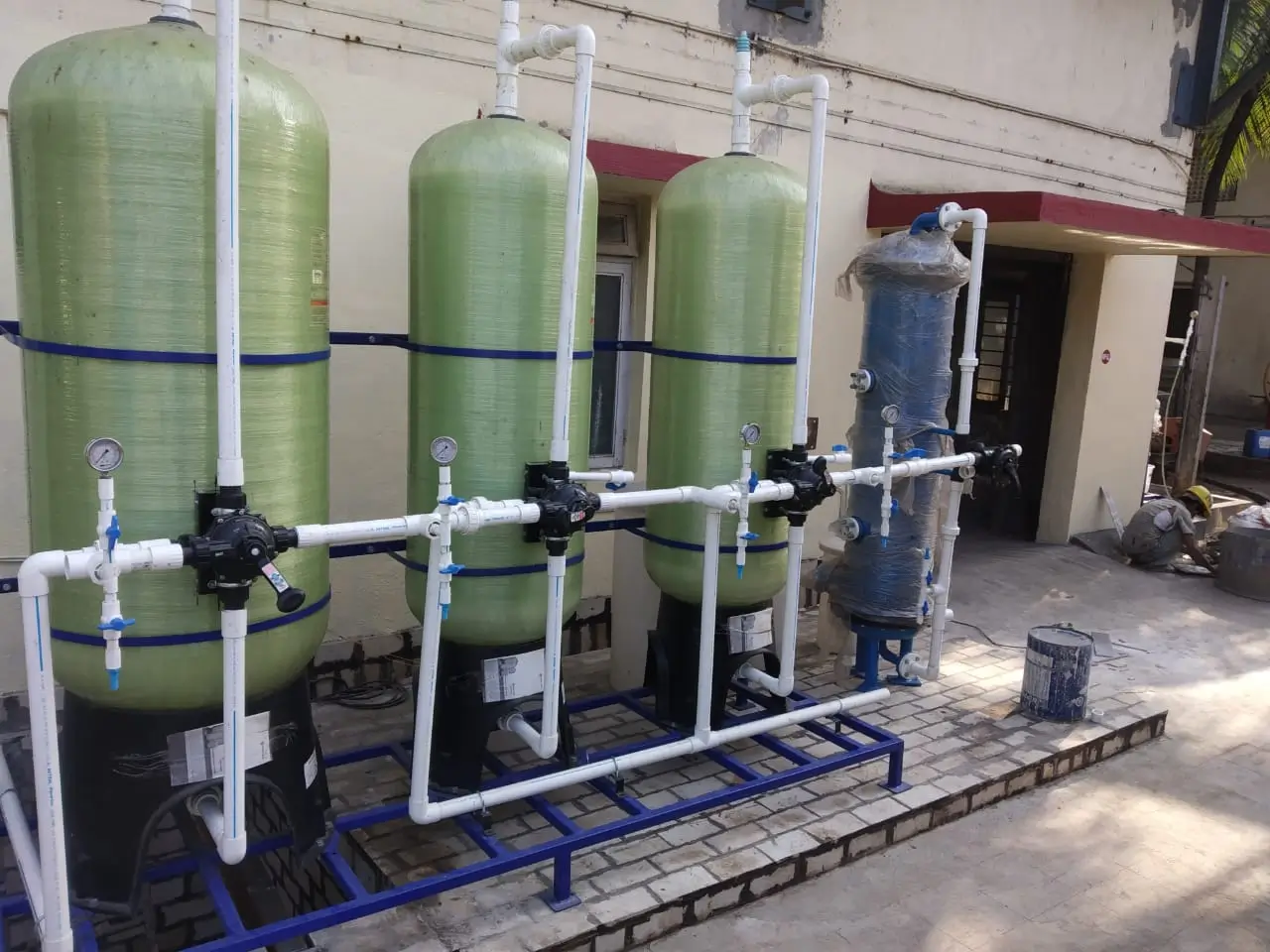
Applications Across Industries
Aquamech's demineralization facilities can be utilized across numerous industries where high purity water is required to satisfy various processes considered critical. In power generation, high purity water supplied as boiler feedwater is paramount. The quality of the boiler feedwater can impact energy generation efficiency due to which it has issues of scaling and corrosion on critical surfaces. In the pharmaceutical industry, Ultapure Water is considered critical for regulated processes such as drug formulation, and is also important for sterilization of equipment. Trace minerals may impact quality and compliance concerns. Similarly, the electronics industry and semiconductor manufacturing can accept a mineral-free high purity water, but generally has more stringent specifications. In the food and beverage industry, as demineralized water does not contain impurities or dissolved minerals that may affect product quality, and therefore product consistency and taste is improved as flavor profiles and shelf-life will not be altered. In chemical processing industries, Demineralized water is great for making sure that unwanted chemical reactions do not occur to increase accuracy/safety within the production process.
Advantages of Choosing Aquamech
Aquamech is an excellent brand with well over twenty years of history designing and installing high-performing water treatment solutions. Coupled with its technology innovations and reliability, Aquamech is a go-to partner in numerous industries. One of the brand's great strengths is its personalized approach to offering solutions - every demineralization plant is designed according to the precise flow rate, site and regulations purity requirements, and process needs of the organizations it partners with - this guarantees world-class results. In addition to devising these solutions, Aquamech also provides complete end-to-end project support with staff training, system design and installation and ongoing service and maintenance support. Similarly, as demonstrated with its staff and project support, Aquamech commitment to sustainability practices shines through its plant designs to reduce water and chemical waste, whilst maximizing energy consumption. All of these elements makes Aquamech the brand of choice for organizations looking for reliable, efficient, and future ready demineralization solutions.
What Makes Aquamech Demineralization Plants Unique.
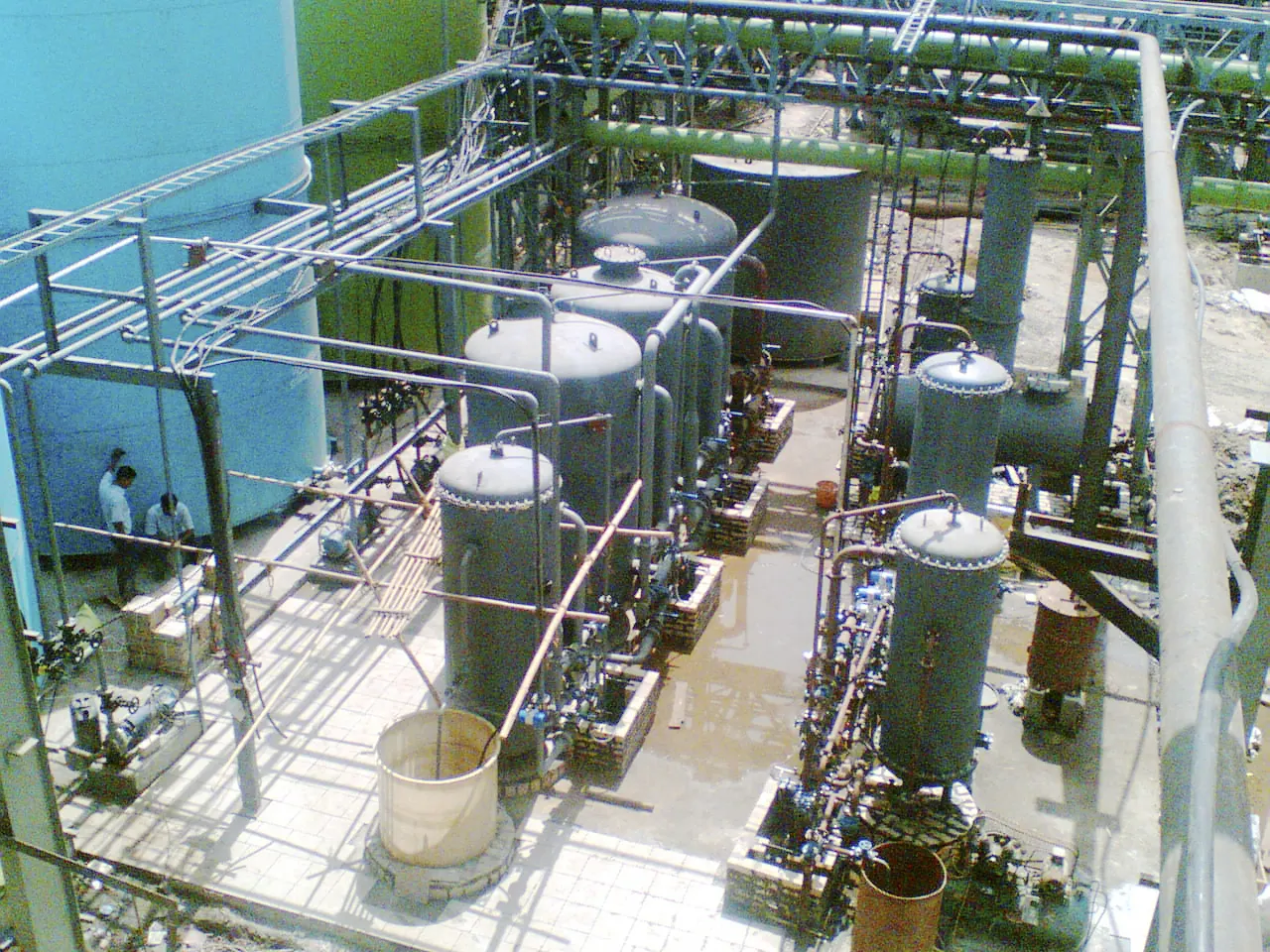
Aquamech's demineralization plants are making a splash in a sea of demineralization plants. Where most suppliers offer a standard DM unit, Aquamech will design a specific system to each clients individual conductivity, flow rate, and recovery. Their plants and their designs contain advanced automation and monitoring systems that provide proper ion exchange cycles, reduced chemical consumption, minimal human involvement, and other benefits. The system also contains high-quality resins, corrosion-resistant components, and modularity to allow for easy and seamless expansion of capacity. Aquamech has highly-skilled engineers and technicians on staff to ensure each plant is tested for performance, and undergoes a complete quality assurance check by an experienced technician before shipping. Aquamech's clients include some of the largest pharmaceutical, power, and specialty chemical companies. This all serves to demonstrate the reliability and innovation of Aquamech systems.
In summary, where others offered equipment, Aquamech offers fully engineered solutions, followed by continuing service, training, and operational excellence.
Aquamech Engineering Corporation has demonstrated its commitment to quality, efficiency, and prowess in water treatment through its demineralization plants. With these high-purity water solutions, Aquamech is helping its industries obtain operational excellence and sustainability.
To learn more about Aquamech’s demineralization plants and other water treatment solutions, visit Aquamech Engineering Corporation.
FAQs on Demineralisation (DM) Plants
This system is also referred to as a deionizing plant and describes a water treatment system that uses ion exchange technology that treats water to remove dissolved salts and minerals. Deionization plants are typically used to remove cations (e.g., calcium, magnesium, sodium) and anions (e.g., chloride, sulphate, nitrate) to produce high-purity water for use in industrial applications.
Varieties of DM plants exist, but they all operate on the same principle. The process involves both cation exchange resin (that removes positively charged ions) and anion exchange resin (that removes negatively charged ions). Water passes through both resins sequentially to obtain deionized water free of dissolved salts.
Although both can be referred to as "purified" water, distillation and demineralization differ in the way they treat water. Demineralized water uses ion exchange technology to remove salts and ions from water, whereas distilled water is produced by boiling the water to eliminate impurities, followed by water condensation, making one form of purified water. Using a DM plant to treat water is more energy efficient, while distilled water is not an option for most industrial purposes.
Demineralized water has a variety of purposes:
- Pharmaceuticals
- Power generation
- Electronics and semiconductor manufacturing
- Chemical processing
- Boiler feed water
- Laboratories
Typical plant configurations are as follows:
Two-bed DM Plant: Cation and anion exchange units in separate vessels.
Mixed bed DM Plant: Both resins in one vessel provide higher purity.
Automatic / Manual DM Plants: Depends on the level of control and monitoring.
Aquamech offers made-to-order DM systems for industrial applications, whether your requirement is small or large scale.
Yes, Aquamech specializes in designing tailor-made DM plants with each client's particular needs: flow rate, space, level of automation, and end-use water quality specifications.
Definitely, a DM plant can be positioned as part of a larger multi-stage water treatment system and often operates alongside reverse osmosis (RO) units, activated carbon filters, UV sterilizers and micron filters. This combined process allows for additional purification and helps prolong the lifespan of the resins.
DM plants can lower total dissolved solids (TDS) to <1 ppm, depending on the system design & resin efficiency—producing water that can be used for high-purity applications.
Regeneration is done by passing acid (HCl or H₂SO₄) through the cation resin and alkali (NaOH) through the anion resin. The purpose is to restore the ion exchangeability of the resins and provide consistent purity water.
The frequency of this process depends on:
- Water quality at the inlet (The TDS levels)
- The flow rate
- The capacity of the resin
Typically, regeneration will occur after a certain number of bed volumes have passed through the plant, and systems can be designed to automatically regenerate based on conductivity limits.
Consistent quality of pure water
Lower operational costs than distillation
Small footprint and scalability
Low energy usage
A great option for sensitive industrial processes
RO functions by having semi-permeable membranes remove dissolved impurities by filtering them out, while DM functions by ion exchange. In many cases, RO is used as a pretreatment to lessen the load on the DM plant when extremely high-purity water is required.
Maintain regular resin performance evaluation.
Regenerate in a timely manner.
Keep an eye on conductivity parameters.
Periodic inspection of valves and pumps.
Aquamech Americans can provide AMCs (Annual Maintenance Contracts) and remote support for ongoing system health.
Selecting a DM plant can depend on a variety of factors: total dissolved solids (TDS) level in the raw water, output flow rate required, purity level required and size and budget available. Aquamech conducts comprehensive site assessments and water testing and suggests the best configuration for your specifications.